
Save The Date 58th Annual Aztec Awards
April 3, 2026



April 3, 2026
March 12, 2026
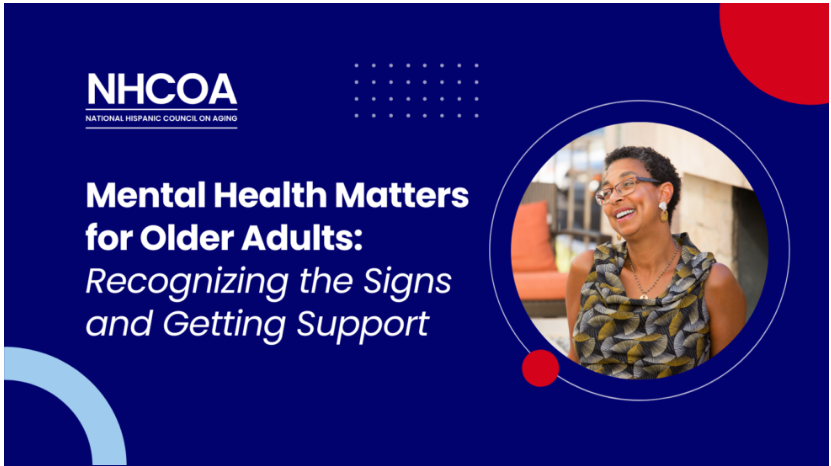
Aging brings many changes鈥攏ew routines, different roles, shifting relationships, health concerns, and sometimes a sense of loss. These experiences can affect both the body and the mind. Just as we pay attention to our physical health, like managing chronic illness or engaging in regular exercise, it鈥檚 important to pay attention to our mental, social/emotional health as well.
Mental health challenges are common among older adults鈥攁nd yet too often they go unrecognized, unspoken, and untreated. A common myth that many believe is that sadness, anxiety, or greater social isolation are each simply 鈥渁 part of getting older,鈥� and not something that can be avoided. What鈥檚 true is that these circumstances are common in the aging process, that is why, it is critical for all of us to manage our mental health. It can absolutely be addressed, and does require a similar amount of awareness and care that we might give to our physical health.
It鈥檚 easy to underestimate the benefits of small efforts to improve our mental health, but it鈥檚 those consistent moments of engagement and connection with others that have a lasting impact on our happiness, and our energy. But it doesn鈥檛 just come down to older adults. Family, friends, caregivers, and community members should take it upon themselves to be familiar with the signs of poor mental health in their loved ones.
Common Warning Signs to Watch For
The National Hispanic Council on Aging also knows first-hand that just as there is a myth of these mental health concerns being part of aging, there is also a cultural barrier of stigma within the Latino community. Many Latinos are ashamed to accept a mental health diagnosis for fear of being judged by others. When it comes to mental health care, such cultural factors can serve to increase stigma and obscure the validity of mental health care from Latino communities, out of a desire to not air private family matters with mental health professionals. Still, even after overcoming such stigma to seek mental health care, overcoming systemic barriers such as lack of linguistically or culturally appropriate care, can be difficult.
Tips for finding linguistically and culturally appropriate mental health care providers:
If you鈥檙e interested in further information to help destigmatize mental health care for your community members, or a loved one whom you鈥檙e concerned about, check out the National Alliance on Mental Illness鈥檚 (NAMI) 鈥�Compartiendo Esperanza: Mental Wellness in Hispanic/Latin American Community鈥� program:
In moments of crisis, be sure that you are familiar with the 988 Suicide & Crisis Lifeline. By calling or texting 988, you will be connected with professionals trained in suicide and crisis support. The 988 Suicide & Crisis Lifeline is staffed with Spanish-speaking operators, and ready to help.
For more information and assistance in finding mental health resources, the National Hispanic Council on Aging (NHCOA) Resource Center is also available by phone call of WhatsApp, at (202) 658 鈥� 8664.The is a multilingual hub that educates and empowers community members and constituents with accurate information and helpful resources.
鈥�
December 5, 2025

鈥�
成人头条 Holiday Toy Drive 2025
The 成人头条 Holiday Toy Drive is underway through December 12, 2025. Each year, community donations help ensure children in our early learning centers receive a special holiday gift during their center celebrations.
How to Donate
Shop our wish lists:
Drop off toys:
New, unwrapped toys may be delivered to:
成人头条 Headquarters
401 N. Garfield Ave., Montebello, CA 90640
Drop-off hours: 8 a.m. - 5 p.m.
成人头条 Commerce
5100 S. Eastern Ave. Suite 200, Commerce, CA 90040
Drop-off hours: 8 a.m. - 5 p.m.
All toys collected support children enrolled in 成人头条鈥檚 child care and early education programs. Thank you for helping brighten the holidays for 成人头条 families.
鈥�

鈥�
Colecta de Juguetes de 成人头条 2025
La Colecta de Juguetes de 成人头条 est谩 en marcha hasta el 12 de diciembre de 2025. Cada a帽o, las donaciones de la comunidad ayudan a que los ni帽os de nuestros centros de aprendizaje temprano reciban un regalo especial durante sus celebraciones navide帽as.
C贸mo Donar
Compre de nuestras listas de deseos:
Entrega de juguetes:
Los juguetes nuevos y sin envolver pueden entregarse en:
成人头条 Headquarters
401 N. Garfield Ave., Montebello, CA 90640
Drop-off hours: 8 a.m. - 5 p.m.
鈥�
成人头条 Commerce
5100 S. Eastern Ave. Suite 200, Commerce, CA 90040
Drop-off hours: 8 a.m. - 5 p.m.
Todas las donaciones apoyan a los ni帽os inscritos en los programas de cuidado infantil y educaci贸n temprana de 成人头条. Gracias por ayudar a alegrar las fiestas para nuestras familias.
鈥�

